Benefits of Fermented Foods for Gut Health: A Kenyan Guide
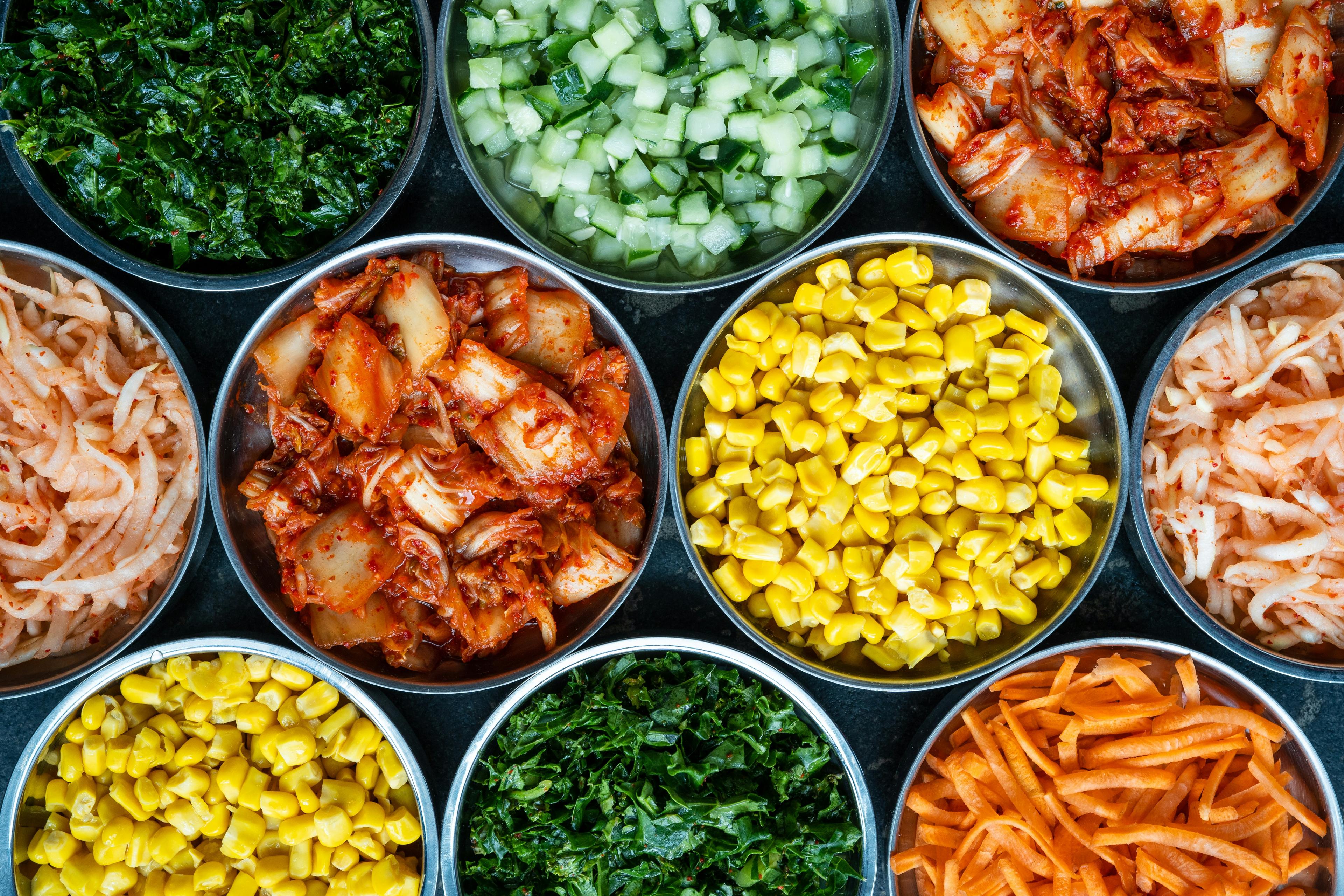
Fermented foods have been part of kitchens around the world for centuries, and they are quietly becoming a staple in Nairobi homes too. At their simplest, they are vegetables and other foods transformed by live cultures, the same natural process behind tangy sauerkraut and bold kimchi. This guide explains why they matter for gut health and how to use them every day.
What makes a food "fermented"?
Fermentation happens when beneficial bacteria break down the natural sugars in food. In vegetable ferments, lactic acid bacteria do the work, producing the clean, sour tang you taste in a good kraut. Because the cultures stay alive in raw, unpasteurised products, the food keeps maturing slowly even in your fridge.
That is the key difference between a live ferment and a shelf-stable, vinegar-pickled jar. Live ferments are not heat-treated, so the cultures remain active, which is exactly why every K Ferments jar is kept refrigerated.
How fermented foods support gut health
Your gut is home to trillions of microbes that influence digestion, immunity, and even mood. Fermented vegetables contribute to this ecosystem in a few practical ways:
- They deliver live cultures alongside the fibre and nutrients of whole vegetables, rather than a single isolated strain.
- The fermentation process can make some nutrients easier for your body to absorb.
- Variety matters: eating a range of ferments exposes your gut to different cultures, which is part of why a mixed routine works well.
You do not need large amounts. A couple of tablespoons of a probiotic salad or kraut alongside a meal is an easy, sustainable habit.
Easy ways to eat more ferments in Nairobi
The best ferment is the one you actually enjoy and reach for often. A few ideas that fit local meals:
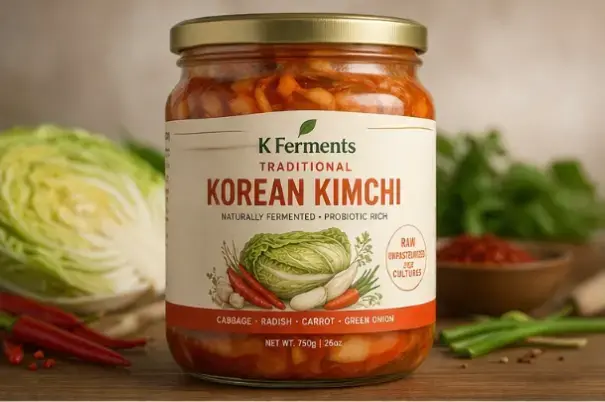
- Spoon Korean kimchi over rice, eggs, or noodles for instant flavour.
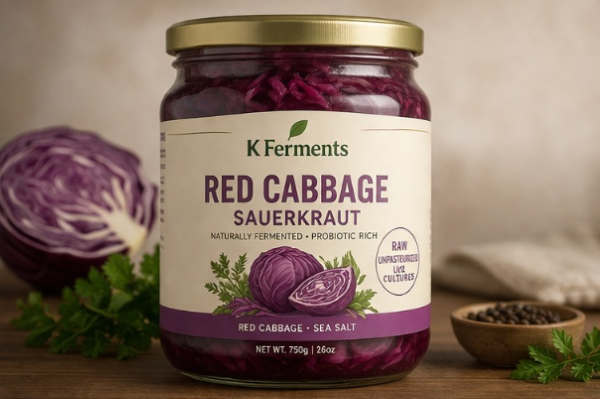
- Serve red cabbage sauerkraut alongside nyama choma or grilled vegetables.
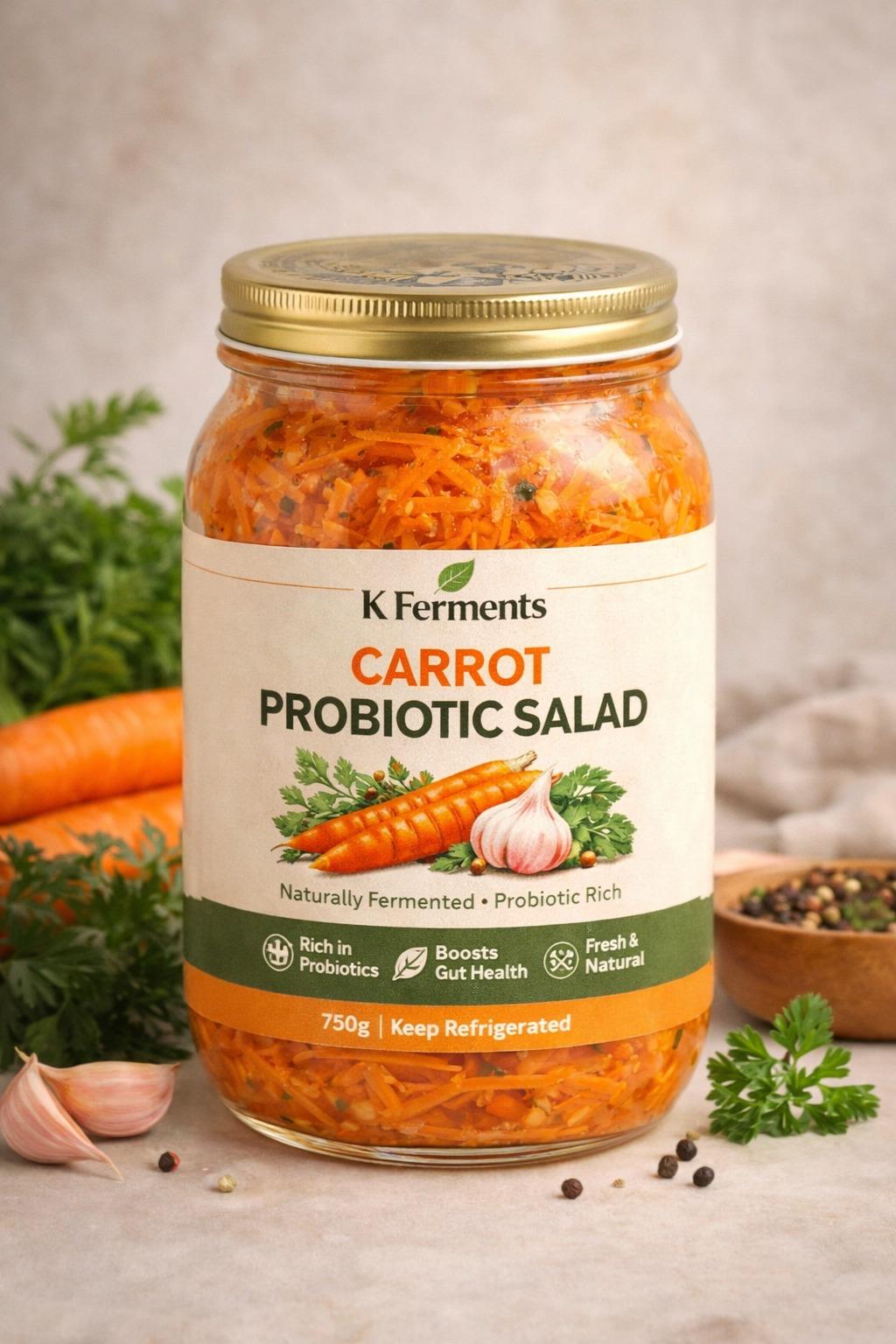
- Add a carrot probiotic salad to a lunch plate for crunch and tang.
- Use ginger and garlic paste as a quick base for stews and stir-fries.
Where to start
If you are new to fermented foods, begin with milder options and build up. Our Gut Health Starter Pack brings together beginner-friendly ferments so you can find what you like, and you can always browse the full range to go deeper.
Frequently asked questions
How much fermented food should I eat each day?
There is no fixed rule. Many people enjoy a couple of tablespoons of a ferment such as kimchi or sauerkraut with one or two meals a day. Start small, see how you feel, and build the habit gradually.
Are fermented foods safe for beginners?
Yes. Start with milder, fresher options like a carrot probiotic salad or carrot and cucumber kimchi, eat small portions at first, and increase as your palate and routine adjust.
Do K Ferments products contain live cultures?
Yes. Our ferments are raw and unpasteurised, so the live cultures stay active. That is also why each jar must be kept refrigerated rather than stored at room temperature.